Leave your details and we'll call you back
We can call you at a time that suits you.

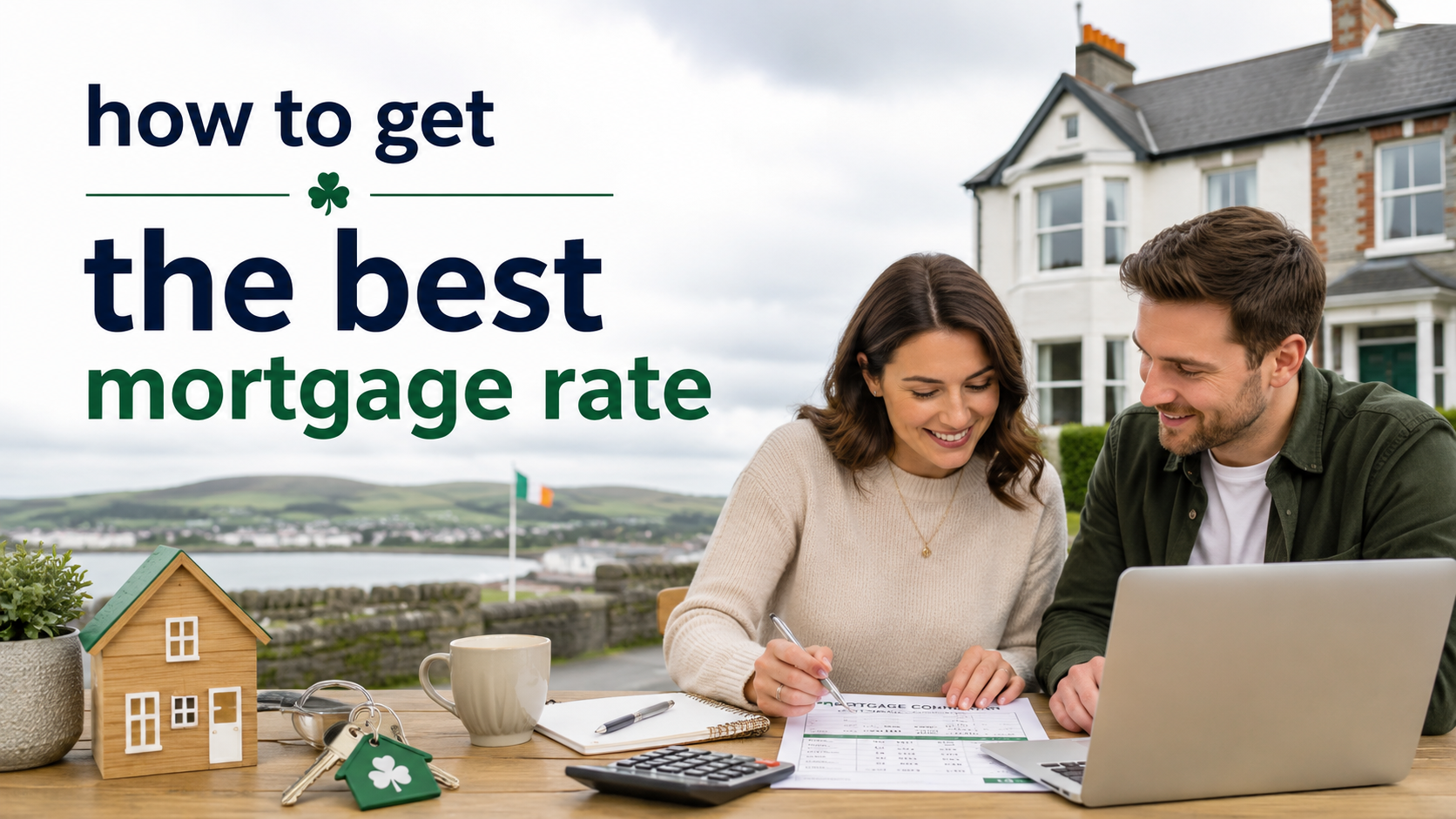
In this post we’ll talk about how to get the best mortgage rate. It’s really important that you get good advice around this (a mortgage broker is obviously the best way to go!).
They’ll give you the best advice on how to get a mortgage rate. It’s a real cliche thing to say, but there is no such thing as the best rate suiting everybody. It really is a case by case basis.
It’s all about you.
It’s very much a personal choice and it’s based on people’s circumstances. So we aren’t all in the same boat. Everybody who’s borrowing various amounts of money won’t always choose the same rate with the same lender because the rates vary and it really depends on the circumstances of the customer and what rate will be best for them, what suits their circumstances and their attitude to interest rates as well because there’s different risks involved in different interest rates, fixed rates, how long you fix for variable rates and the risks that are involved with variable rates.
So there are certain things that you really got to look at when choosing an interest rate and just a few things I suppose about the interest rate that you choose and that will affect it. First thing up now, it’s a pretty topical thing is the BER, the building energy rating of the property you’re buying. Most of the mortgage lenders now, certainly the banks, the main players in the mortgage market all offer rates based on the BER.
Green mortgages?
Some of the lenders call them green rates, some of the lenders call them eco rates and the better the BER, the better the rate that they’ll offer. So if it’s an A rated property, it’s going to get the best rate, the most heavily discounted mortgage rate. So that’s something that’s important.
The next thing we got to look at then is the loan amount. So loan amount is pretty important. Most of the lenders have what they call a high value mortgage and they all seem to set the threshold for a high value mortgage at €250,000.
Go big…
You’ll tend to find that the interest rates get better, cheaper rates when you’re borrowing more, which might be a little bit contradictory rather that the interest rates are better for smaller amounts. But yeah, mortgage lenders incentivise people to borrow more by giving better rates. So the better rates are reserved for loans in excess of €250,000.
A very important thing for a lot of mortgage lenders as well is the purchase price in comparison to that loan amount and what we call loan to value. So that’s the size of the mortgage in comparison to the value of the property that you’re buying or that you’re taking the mortgage on. The lower the loan to value, the better the interest rate you will get as well.
Lower LTV = Lower price
The lower the loan to value, the better the interest rate. Again, that’s a really important thing to look at. Then when it comes to choosing the rate, it’s how long your term is going to be.
So if it’s going to be a 20, 25, 30, 35 year mortgage and then do you want to fix that mortgage for a period of time or do you want to take a variable rate? And again, different people have different priorities on that. If you are starting out maybe a first time, second time buyer and you’re taking on a big mortgage and it’s going to be for a pretty long period of time and maybe you’re stretching yourself financially, your mortgage repayments are going to be taking up a sizable chunk of your net income, then we would always advise to maybe consider taking out a fixed rate, particularly in the early years of having maybe a first mortgage or second mortgage. The most expensive time when you buy a property is usually in those early years and lots of clients do want that peace of mind, that security of having a guaranteed repayment for maybe the first three, four or five years of their mortgage while they settle in.
They don’t want any nasty surprises of interest rates going up. So that will again help determine the interest rate that you want to get by whether you’re going to go fixed. Some people like to take a variable rate.
Every mortgage lender has some sort of variable rate option. We do have one or two lenders in the market who are non-bank lenders who do offer only fixed rates but they will allow you to have a roll-off variable rate later in the term. But again, the banks, the main players in the market are offering variable rates and there’s upsides and downsides to the variable rates.
The ‘best’ can mean different things to different people
If you are somebody who is going to be quite comfortable with the repayments and is going to maybe be earning bonuses in the coming years or maybe is going to be coming into an inheritance in the coming years, those people sometimes want to have a variable rate because they want that flexibility of being maybe able to overpay regularly or pay lump sums off their mortgage and they don’t want to be on a fixed rate where you can incur a penalty for overpayments or lump sum repayments or what we call maybe sometimes partial redemptions. So again, that’s another big factor that determines the interest rate and what interest rates you’re going to choose. So look, as I said, it is always very important that when you are looking at interest rates, you get advice.
You get good advice from a mortgage broker. As I say, it’s very important what your circumstances are, what you’re looking to do and what you want from your mortgage before choosing your mortgage rate. It isn’t a case of tell me where the best lender is with the best interest rate.
It isn’t unfortunately that simple. It might seem like a typical banker’s response when they don’t give you a straight answer to what is the best rate. Give me the best rate.
You know, there is more to it than that. It is a little bit more complicated and it is very much a case by case and based on the customer circumstances. So as I say, always get good advice, and always use a mortgage broker!
This post came about via a conversation with our Director, Stephen Hughes.